LET'S BEAT
YESTERDAY

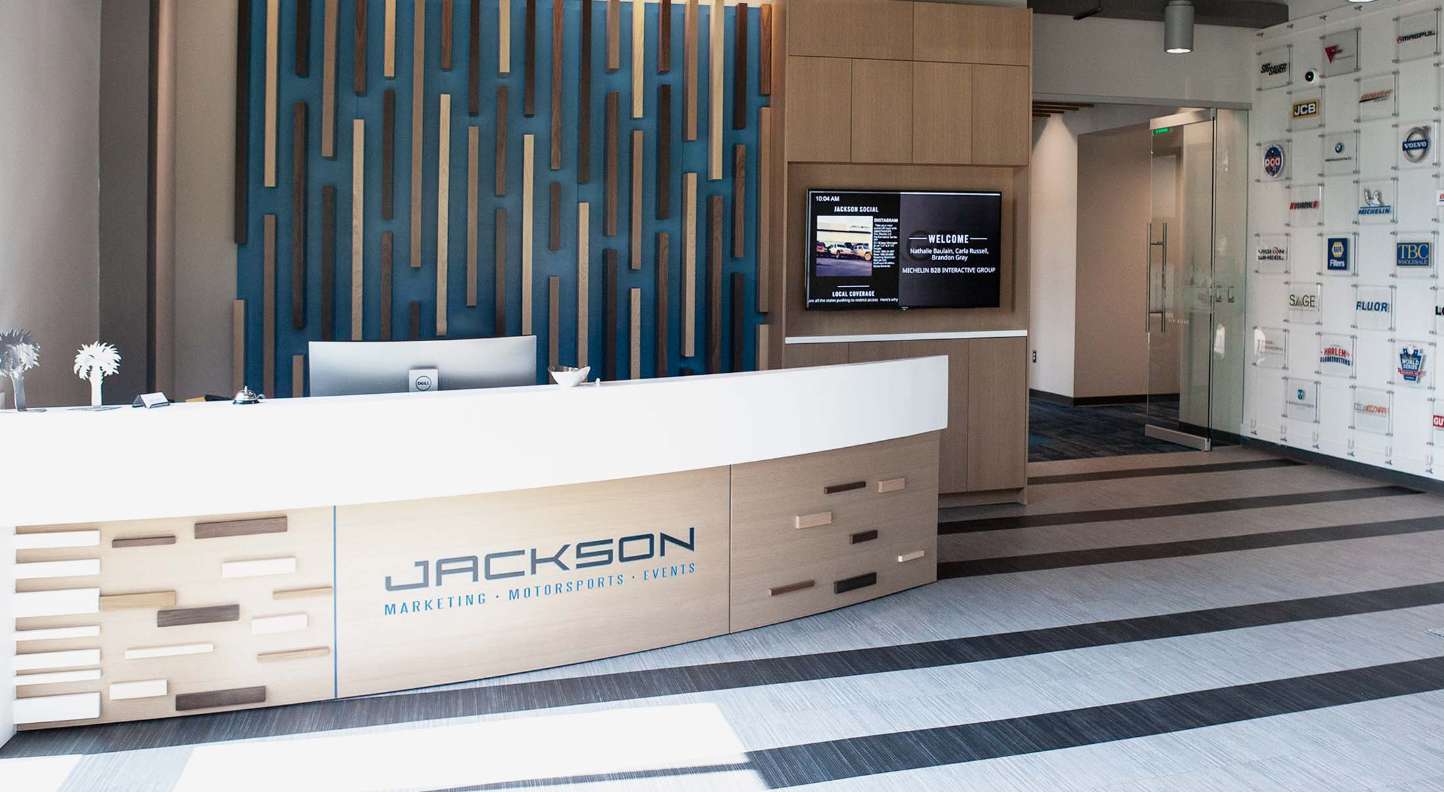
WELCOME TO JACKSON
JACKSON is an uncommon marketing team of strategists, storytellers and ringmasters with one purpose: to help our clients build their brands.
We're not for everyone. Our hands are often dirty. Our hats are usually flat billed. And we're as comfortable at the racetrack as we are in the boardroom.
CLIENTS
Our "wheelhouse" is helping brands in the automotive, motorsports and outdoor industries amplify their story. If it has wheels or an engine, or its audience loves adrenaline or the outdoors, we're ready to work.

















OUR SERVICES
We don't have a "specialty" at JACKSON. Here's why: if we only specialized in TV or digital campaigns, every solution to every problem would be a TV spot or digital campaign. Not good. We're passionate about solving each client's specific problem that day, which is why we offer comprehensive, customized marketing services and solutions.
CONSULTING / STRATEGY
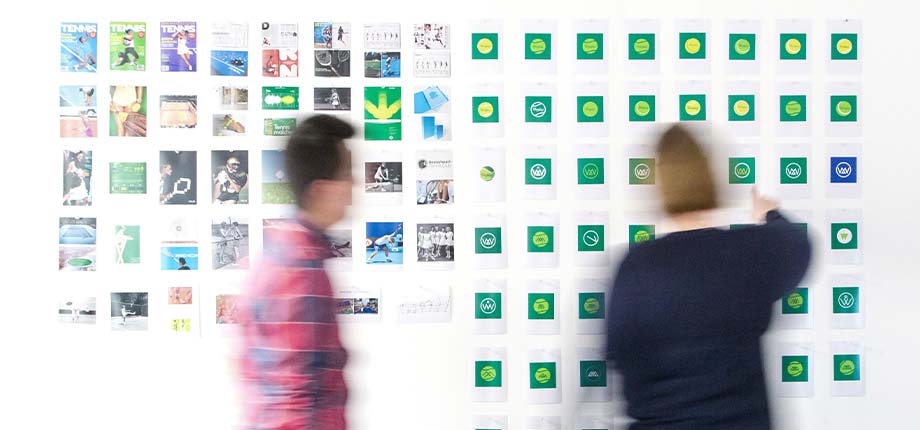
Before the idea comes the strategy. This includes marketing strategy, brand strategy, everything strategy.
SEE THE WORK
SOCIAL MEDIA & PR
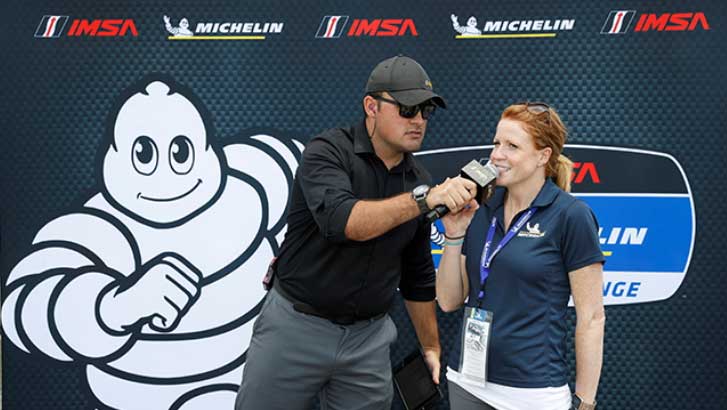
Content development. Influencer management. Media relations. You name it, we can do it.
SEE THE WORK
DIGITAL & VIDEO
Introducing a powerful combination of left-brained and right-brained digital and video gurus.
SEE THE WORK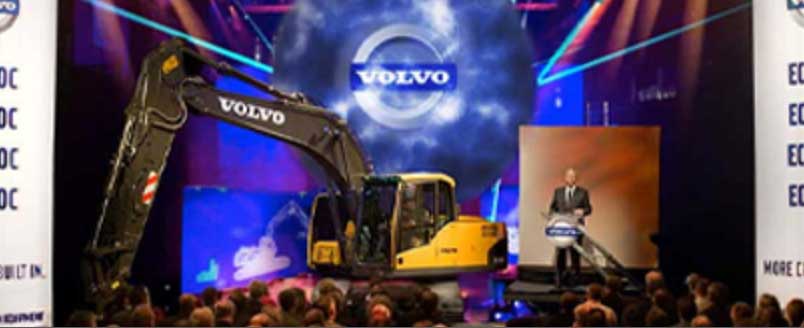
EXPERIENTIAL
What does it take to create an experience? A really good plan, a lot of passion and most of all, the right people.
SEE THE WORK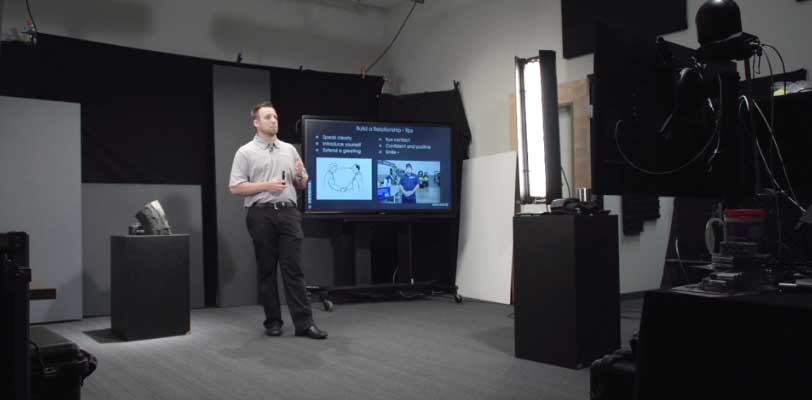
TRAINING
We can handle it all: curriculums, strategies, presentations and in-person or online training sessions.
SEE THE WORK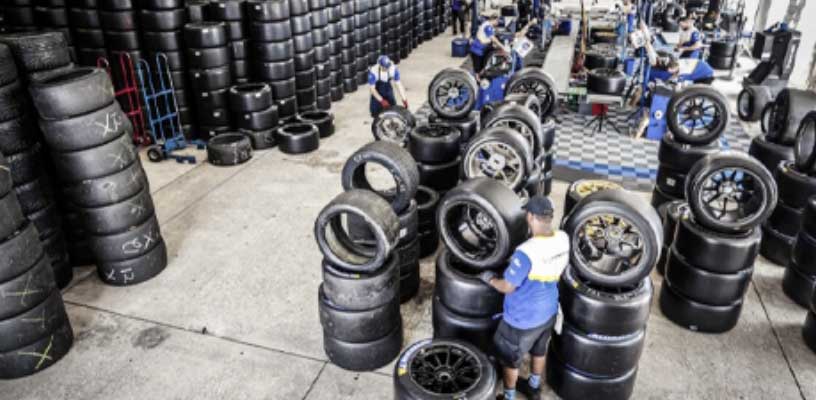
RACE SUPPORT & PRODUCT SALES
If you've been to an IMSA or SCORE race, you've seen us hard at work—from logistics to staffing to hosting to product trial programs.
SEE THE WORKOUR WORK
DIGITAL
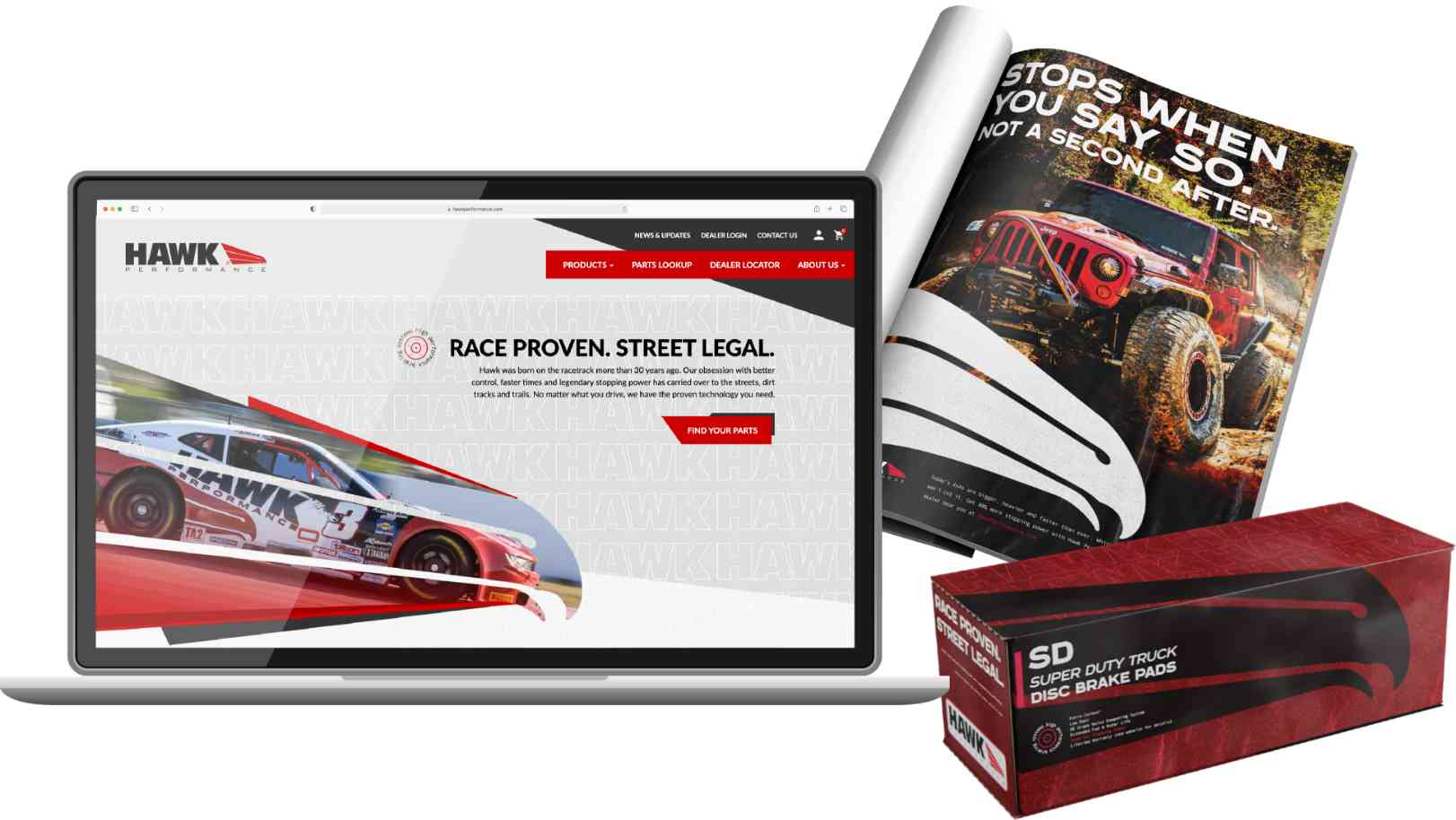
HAWK
PERFORMANCE
RE-BRANDING
VIEW THE CASE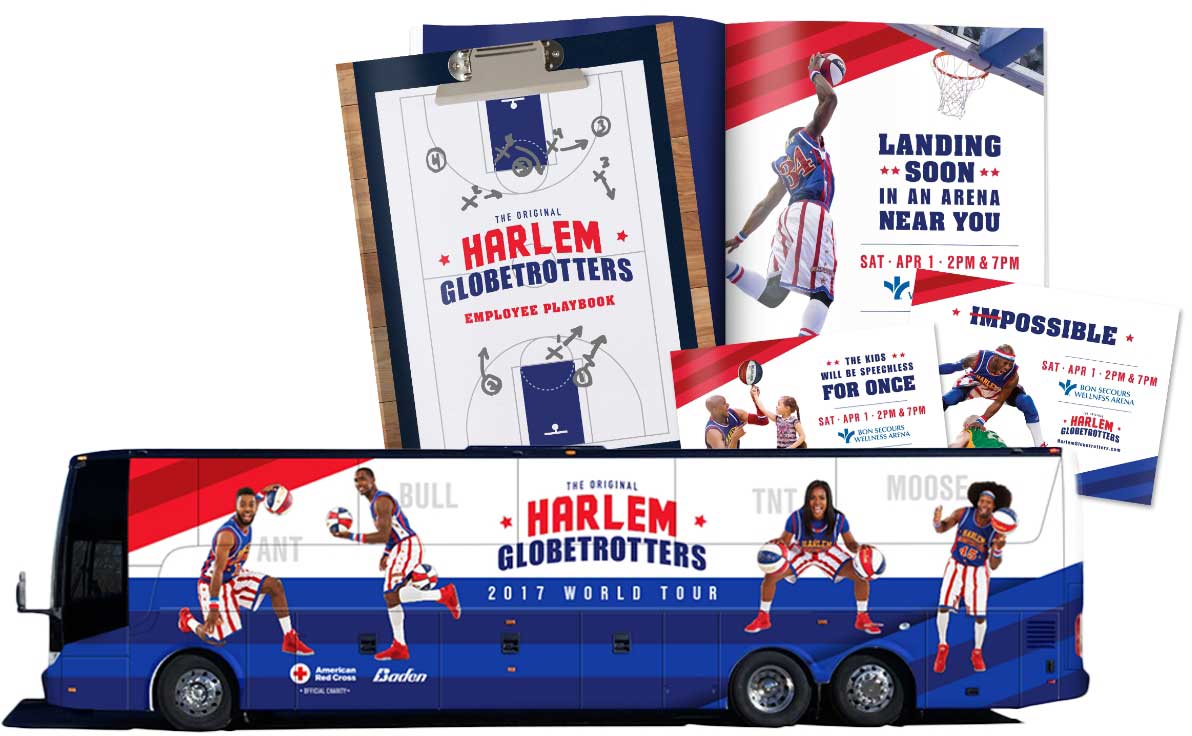
BRANDING
HARLEM GLOBETROTTERS
BRANDING
VIEW THE CASE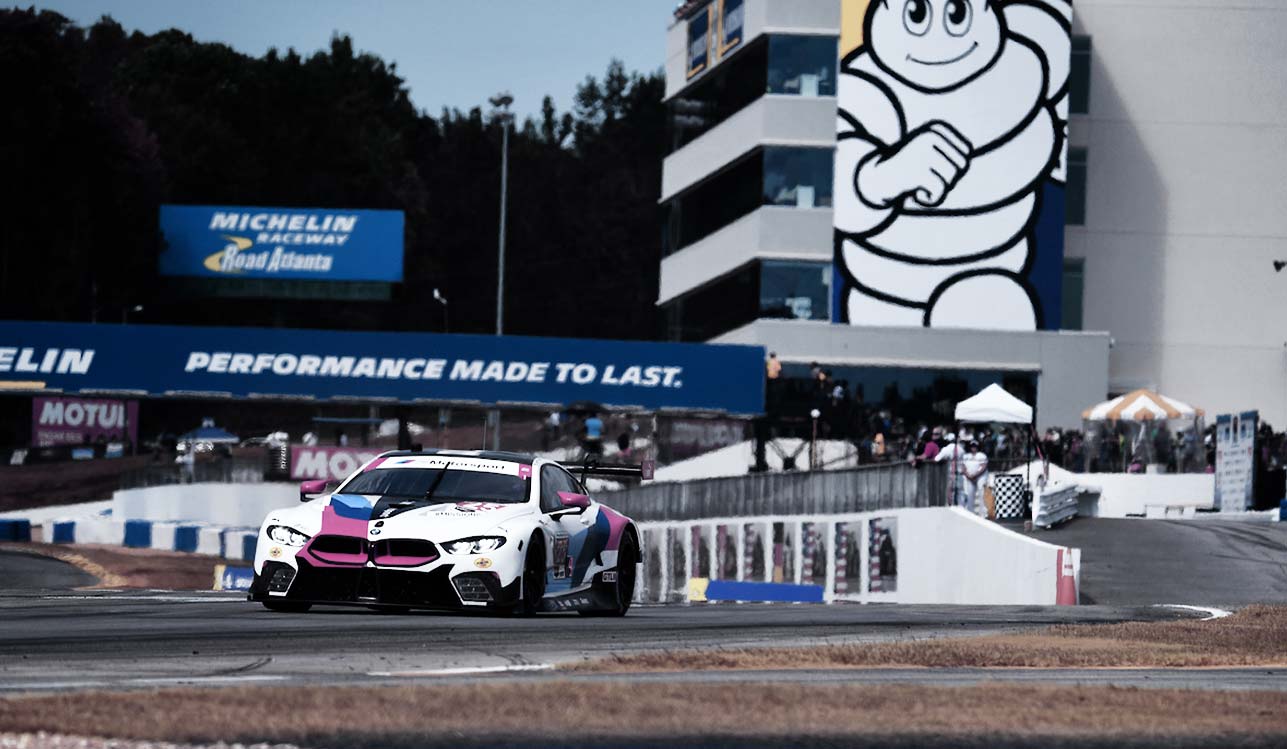
CONTENT & PR
MICHELIN
IMSA PR & SOCIAL
VIEW THE CASE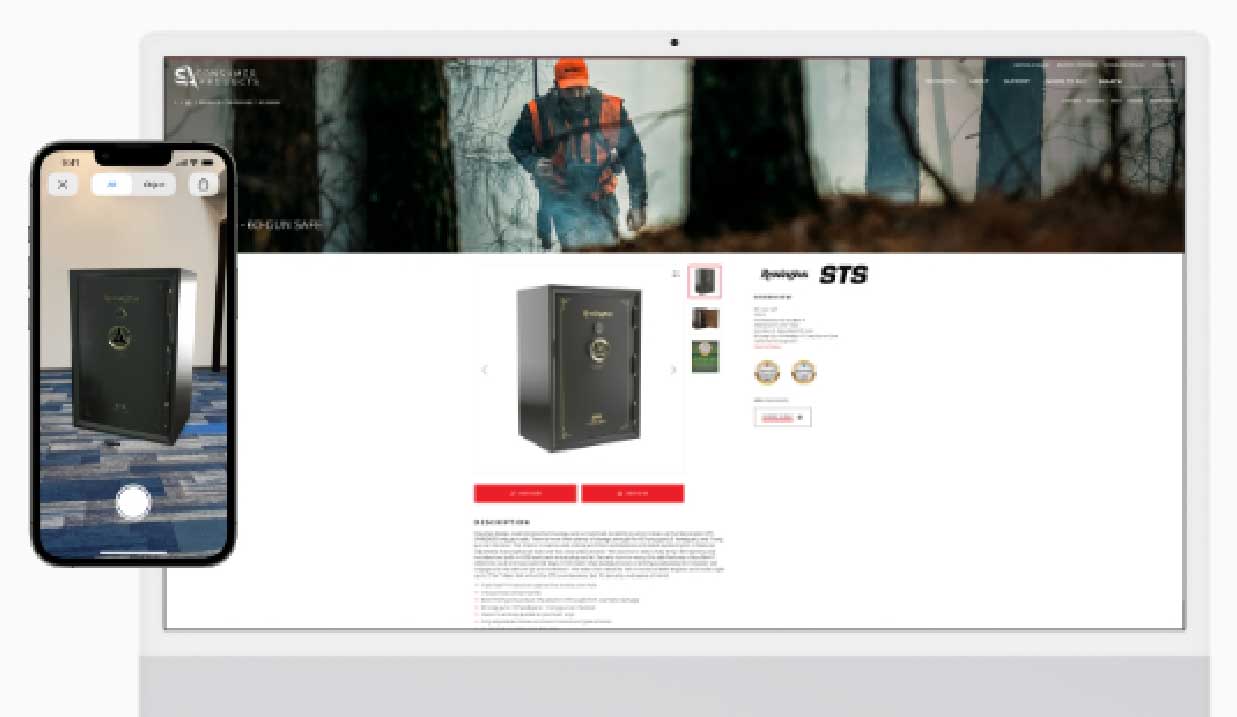
DIGITAL
SPORTS AFIELD
WEBSITE
VIEW THE CASE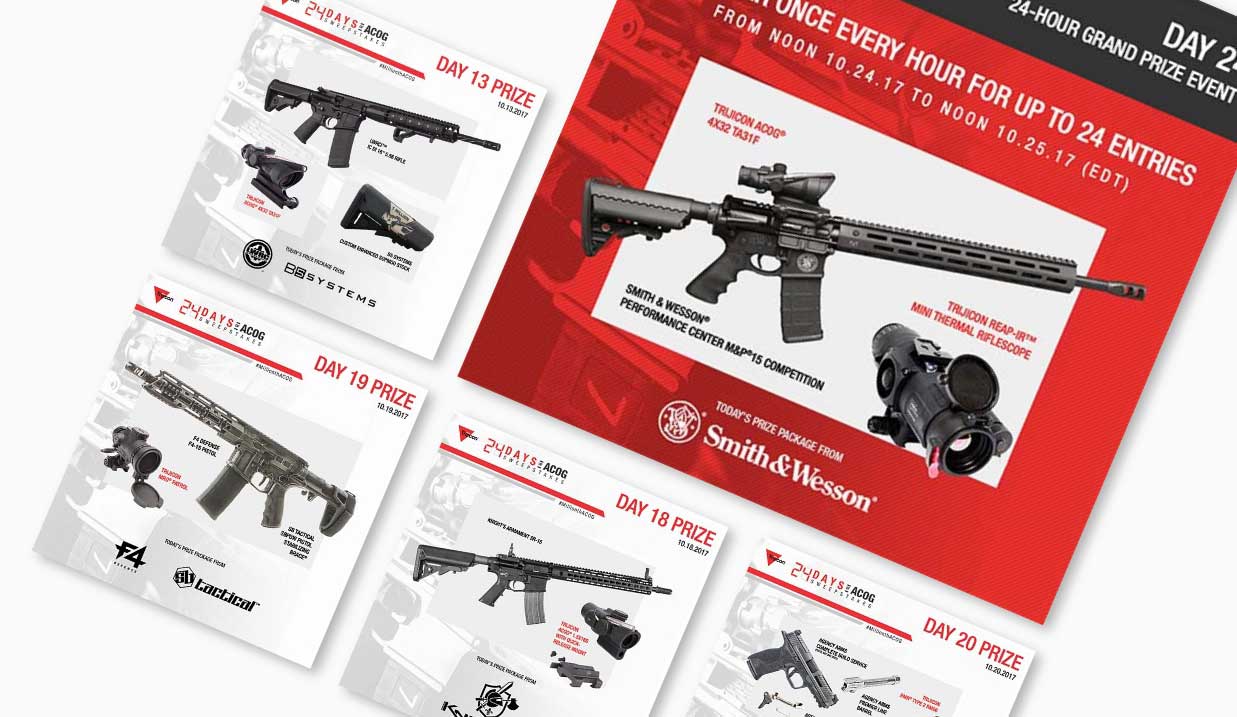
CONSULTING & STRATEGY
TRIJICON
24 DAYS OF ACOG ONLINE CONTEST
VIEW THE CASE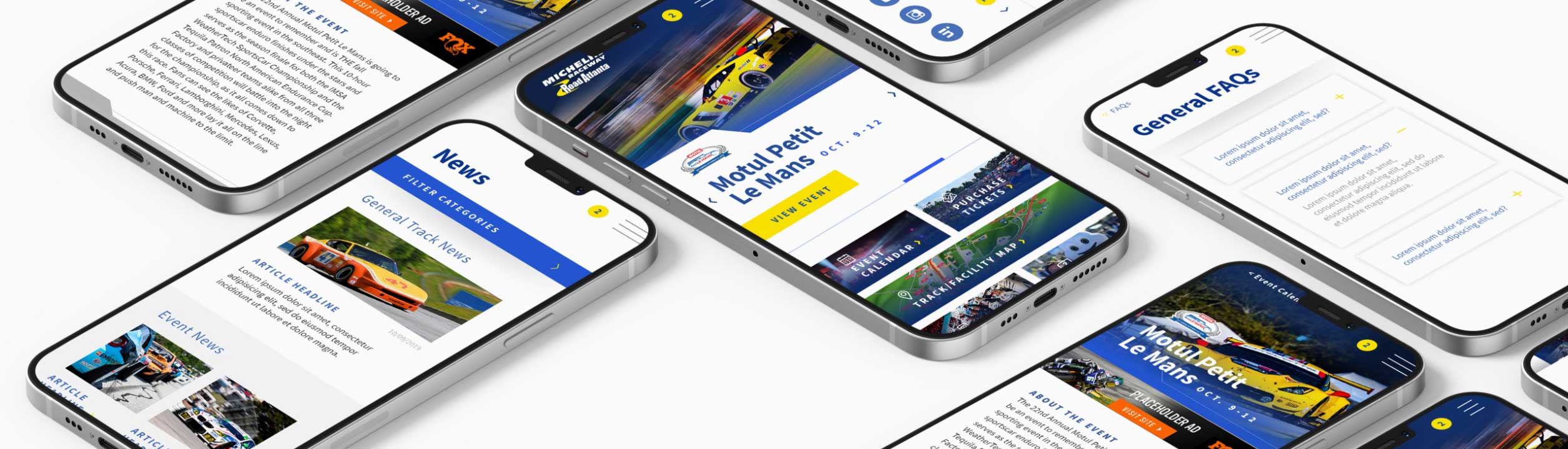
DIGITAL/BRANDING
MICHELIN
RACEWAY ROAD ATLANTA APP
VIEW THE CASEBLOG

Sep 6, 2024
Agency Life, Community Involvement, Community Relations, Company Culture, Motorsports
Off-Road Motorsports Hall of Fame Taps Jackson’s Hunt for Board Position
Jul 10, 2024
Agency Life, Community Involvement, Company Culture, News
JACKSON Partners with Austin Hatcher Foundation
Dec 5, 2023
Advertising, Agency Life, B2B Marketing, B2C Marketing, Brand Marketing, Communication, Digital Marketing
2024 Marketing Trends
Sep 7, 2023
Advertising, B2C Marketing, Brand Marketing, Creativity, Event Marketing, Experiential Marketing, Marketing, Marketing Campaign
When the best idea IS the shower
OFFICES